How we farm
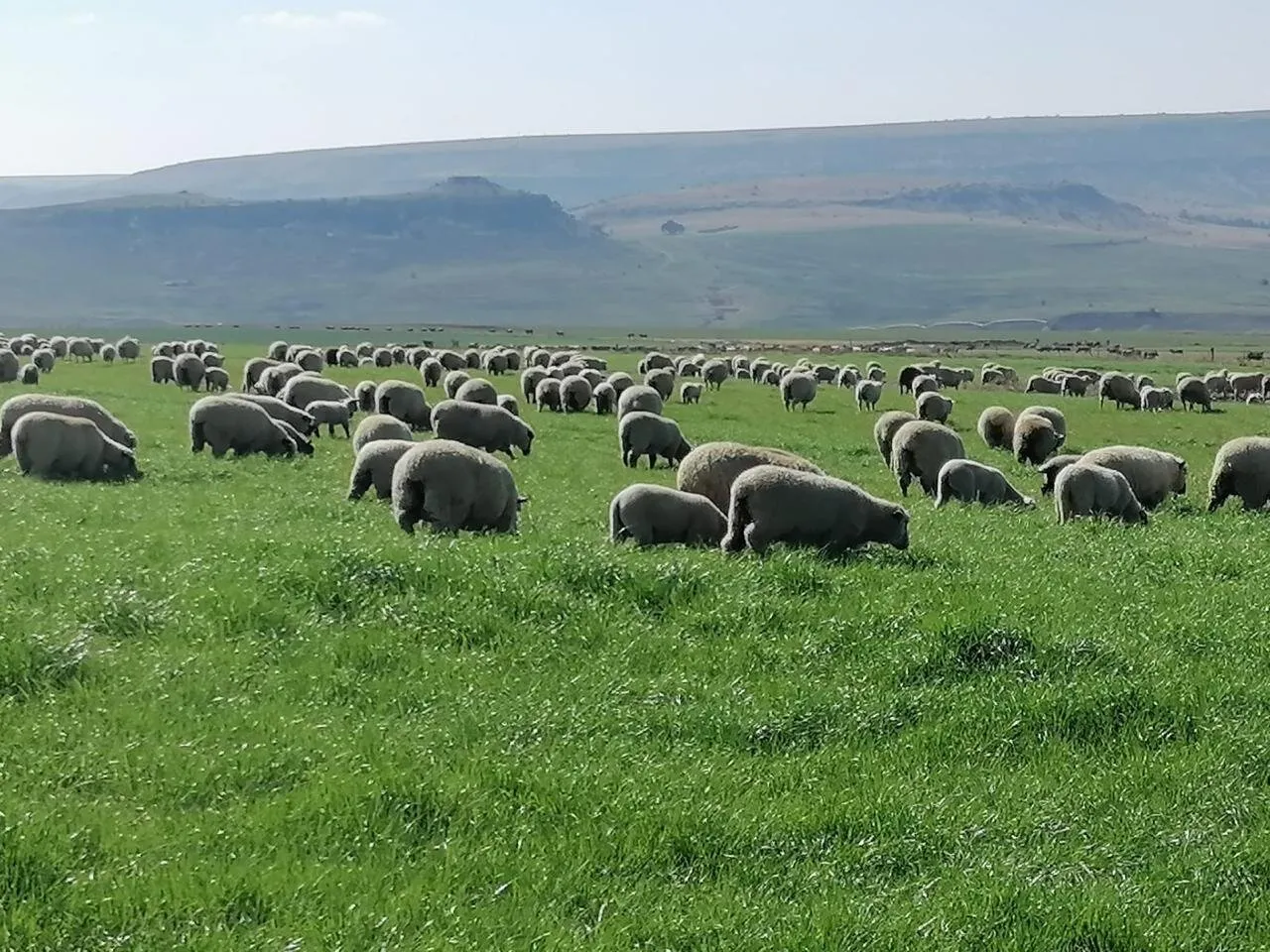
The soil carries the pasture, the pasture carries the animals, and the animals carry the soil. That is the regenerative idea, and on our farm it comes down to four practices.
- Minimal tillage, working towards no-till.
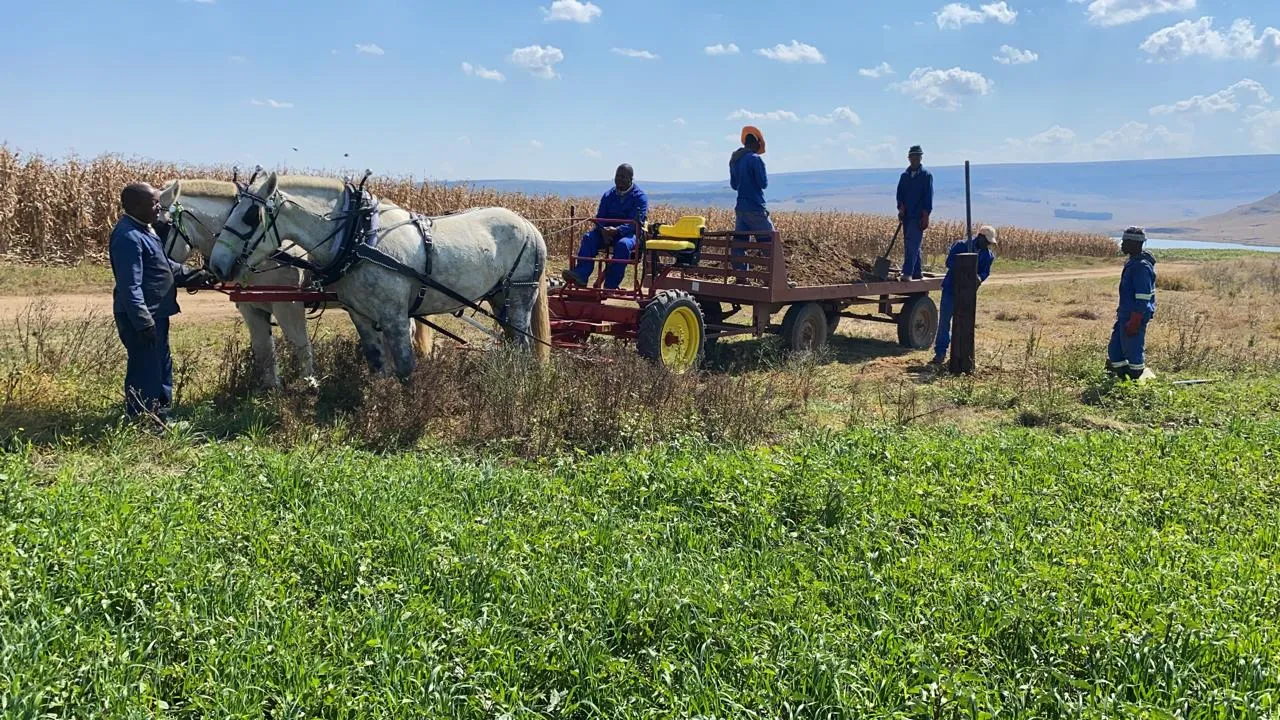
- The animals harvest the crops and their manure goes back onto the fields.
- The animals graze a strip behind a single wire, then move onto fresh pasture.
- Percheron horses pull the planters in place of most tractors.
What the animals eat, and what they never get
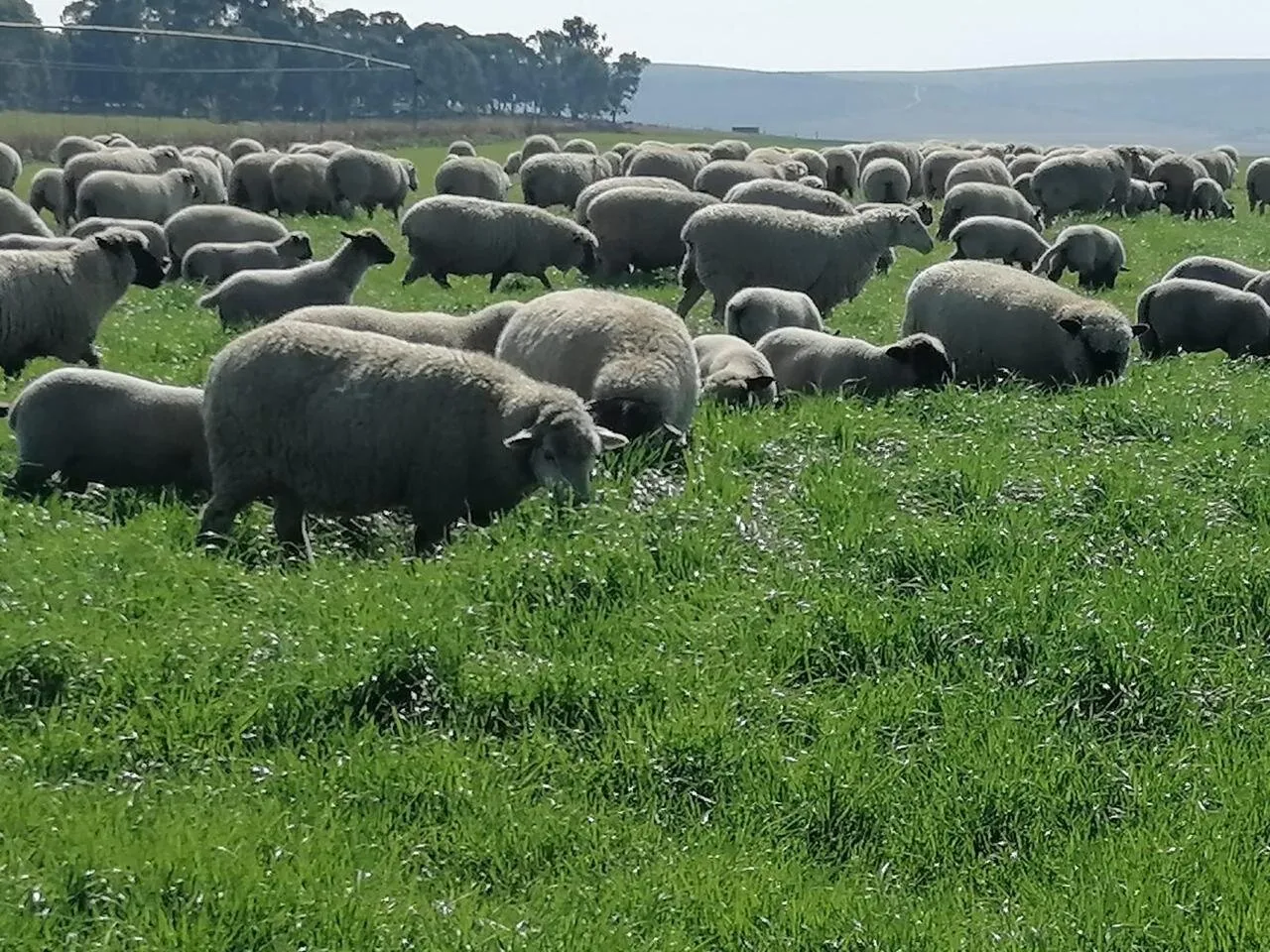
Our lambs are born on the farm and eat pasture from their first day to their last. They are never finished on grain and never see a feedlot.
Our beef cattle come to the farm as calves and are finished on the same open pasture.
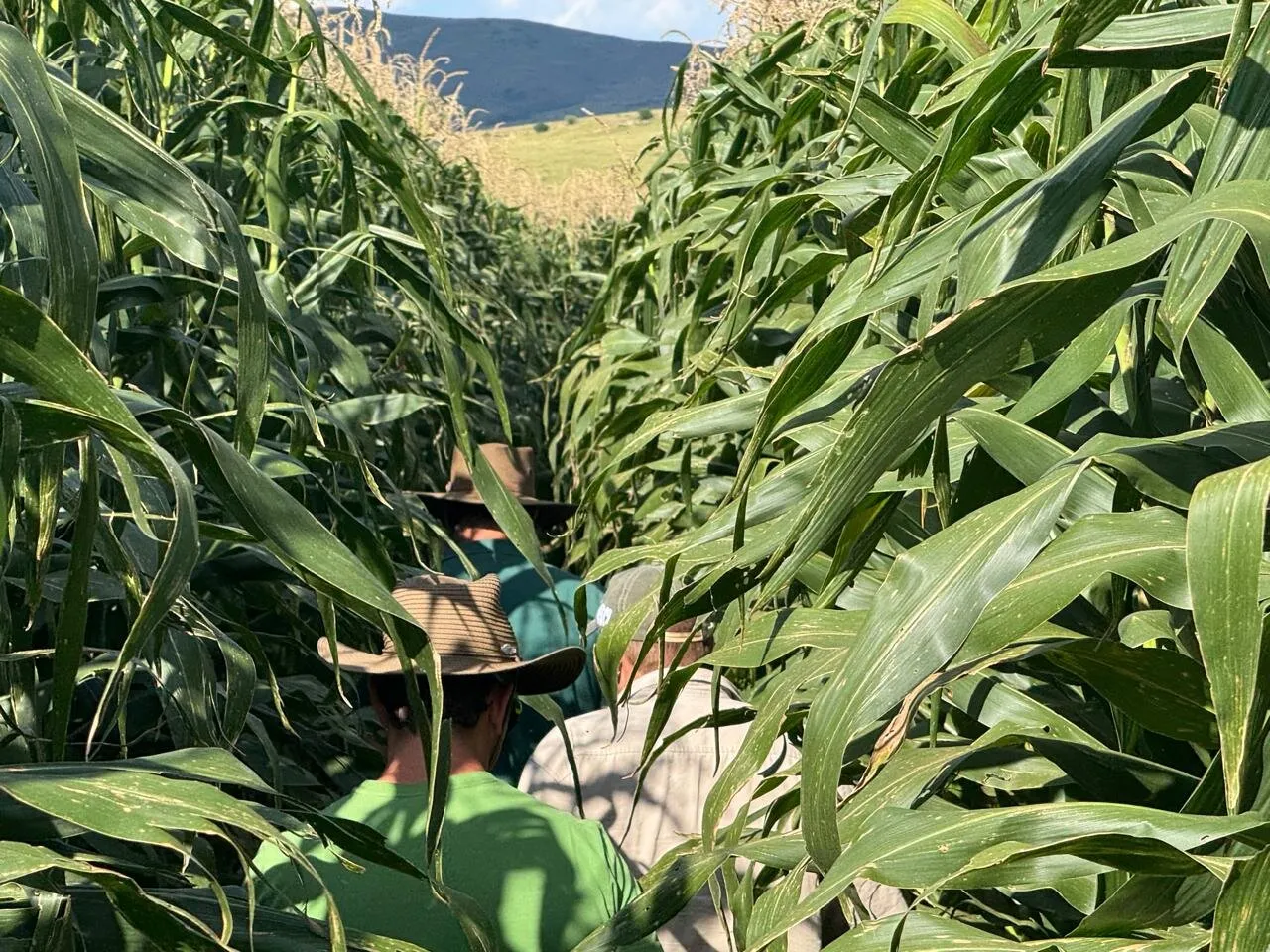
We used to grow our own maize for the animals. It grew in depleted soil and gave them little nutrition. We have moved to forage crops: fodder beet, chicory, clover and ryegrass. We are one of the only farms in South Africa growing fodder beet successfully.
On our pasture our animals put on more weight per day than they did in the conventional feedlots Petrus used to run, now a thing of the past on his farm. He measures it as average daily gain.
What pasture does to the meat
What the animal eats ends up in the meat, and pasture makes it more nutrient‑dense. Researchers have compared lamb raised on pasture with lamb fed indoors or on a mixed diet: the pasture-fed meat carried more omega‑3. Grass-fed beef carries more omega‑3 and more vitamin E than grain-fed beef. Our lamb and beef are pasture-finished.
How it eats
Four things shape how our lamb eats.
- The pasture. What animals eat changes the compounds in their fat that give meat its aroma when it cooks. Pasture-fed and grain-fed lamb smell and taste different, and researchers have measured it.
- The finish. Fat inside the muscle carries the juiciness. We aim for healthy, fat animals, not the leanest ones.
- The last day. We feed our animals before they leave for the abattoir, to keep their stress low. Animals kept off feed too long before slaughter give tougher, darker meat.
- The ageing. Each carcass hangs on the bone for 7 days. It loses moisture, which concentrates the flavour.
Petrus will tell you the flavour starts in the soil. People differ in what they like, so order a case and judge it at your own table.
What it has done to the land
Petrus has kept his own numbers since the change. Fertiliser use fell from 20 kg to 7 kg per ton of dry matter produced.
Water now soaks into the ground through the earthworm tunnels, and the irrigation bill has fallen. Birdlife has come back, and wild ducks and geese forage across the fields in the evening.
What is not in our meat
10 things the meat trade uses, and what we do instead.
- No growth hormones. Implants help cattle gain weight faster on less feed. We never give our animals growth hormones or growth promoters. They grow at the pace the pasture sets.
- No beta-agonists. Zilpaterol and ractopamine are finishing agents that push lean muscle and carcass weight in the last weeks. We do not use them on our farm.
- No antibiotics for growth. Livestock have long been fed antibiotics for more growth per kg of feed. We never use antibiotics to promote growth.
- No pesticides, no fungicides, no glyphosate. About 7 seasons ago, Petrus stopped spraying against conventional advice, and his yields dropped.
"Year four was the worst," he says. Between years 4 and 5, his yields doubled. Today we use no pesticides, no fungicides and no glyphosate, the weedkiller sold as Roundup.
- No GM feed. GM maize and soya are common in livestock feed. Our sheep and cattle are not fed GM feed on our farm. Our animals are raised and finished on pasture.
- No preservatives. Processed meat uses sodium nitrite, sulphites, benzoates, BHA and BHT for shelf life, but our meat never sits on a shelf.
Lamb is dry-aged 7 days in Harrismith, then trimmed, vacuum packed and blast frozen. The cold does the work the chemicals would do.
- No fillers. Soya, starch, rusk, flour, gums and mechanically deboned meat make a kg cheaper, but none of them makes it more meat. Our breakfast sausage is lamb and spices, made from pieces that do not make a neat cut.
Where a recipe needs more than meat, such as egg in the frikkadels or pastry on the pie in the beef case, the label says so.
- No added water. Phosphates and brine injection hold extra water, sold at the price of meat. A kg of ours is a kg of meat.
- No dyes or flavour boosters. Dyes make meat look redder. MSG, hydrolysed vegetable protein and artificial smoke make it taste meatier. We season with spices.
- No gas in the pack. Carbon monoxide and high-oxygen pack gases keep meat red on display. Every cut of ours is vacuum packed, wrapped in brown butcher paper and blast frozen. Nothing goes in the pack but the meat.