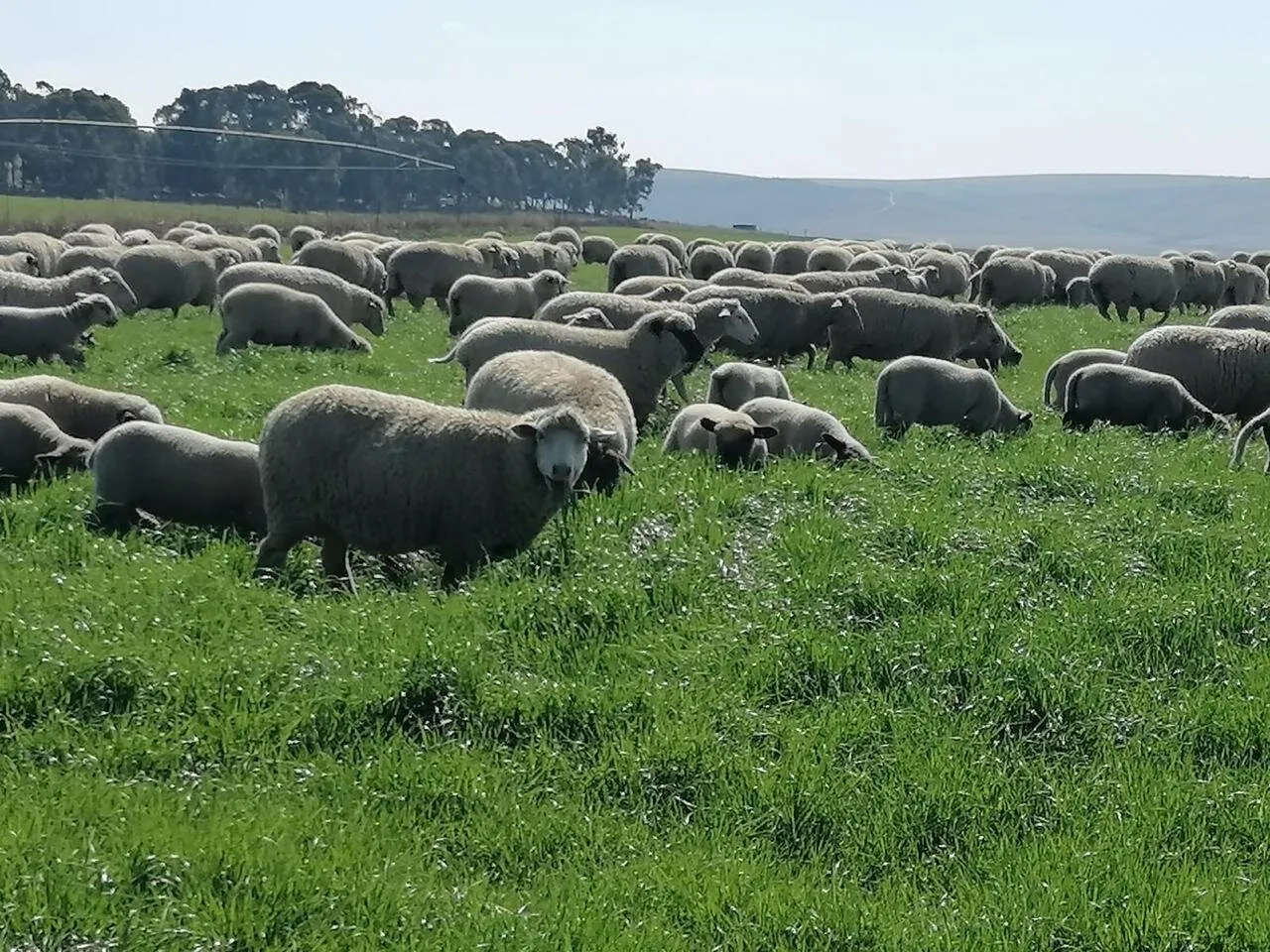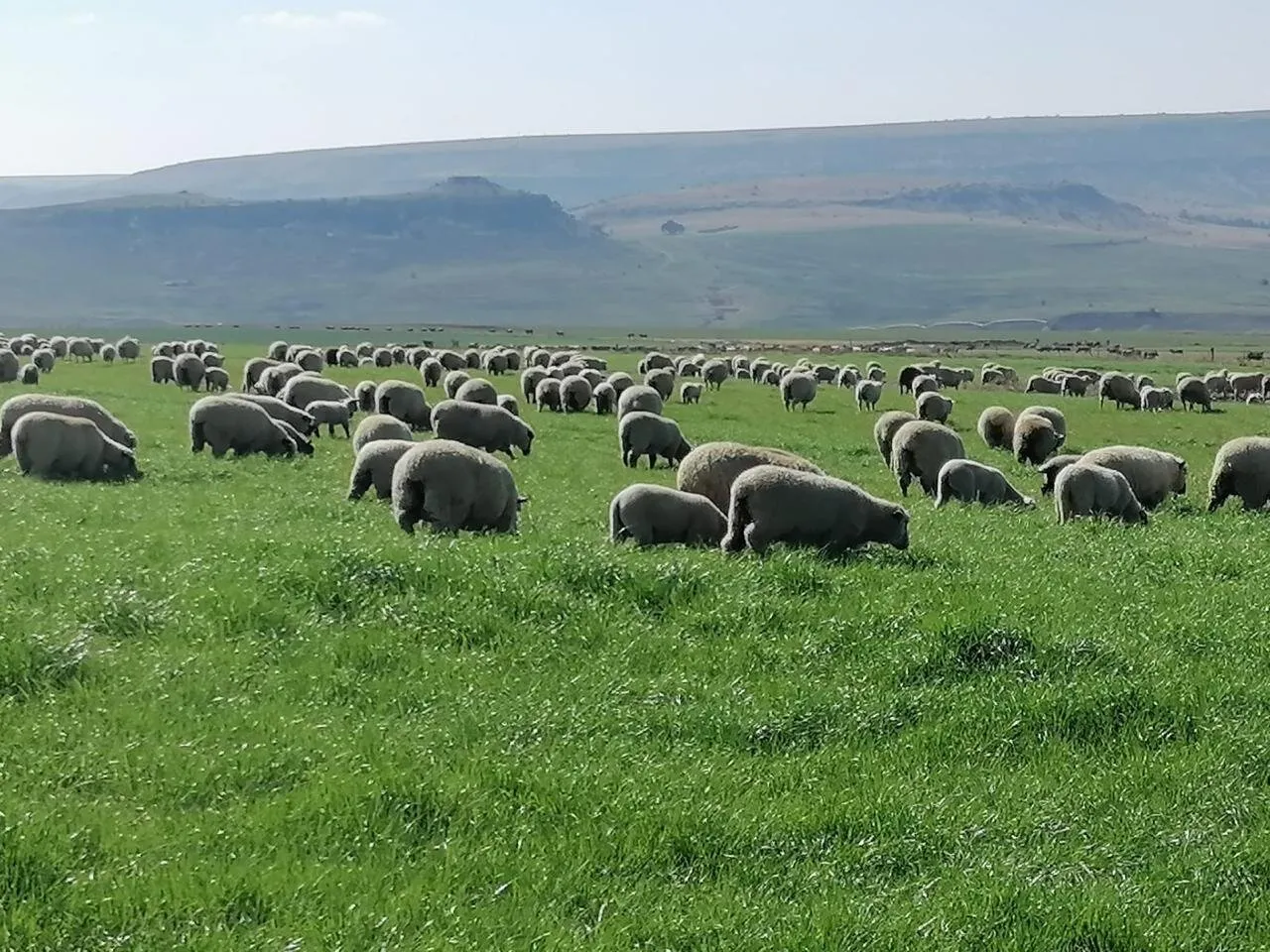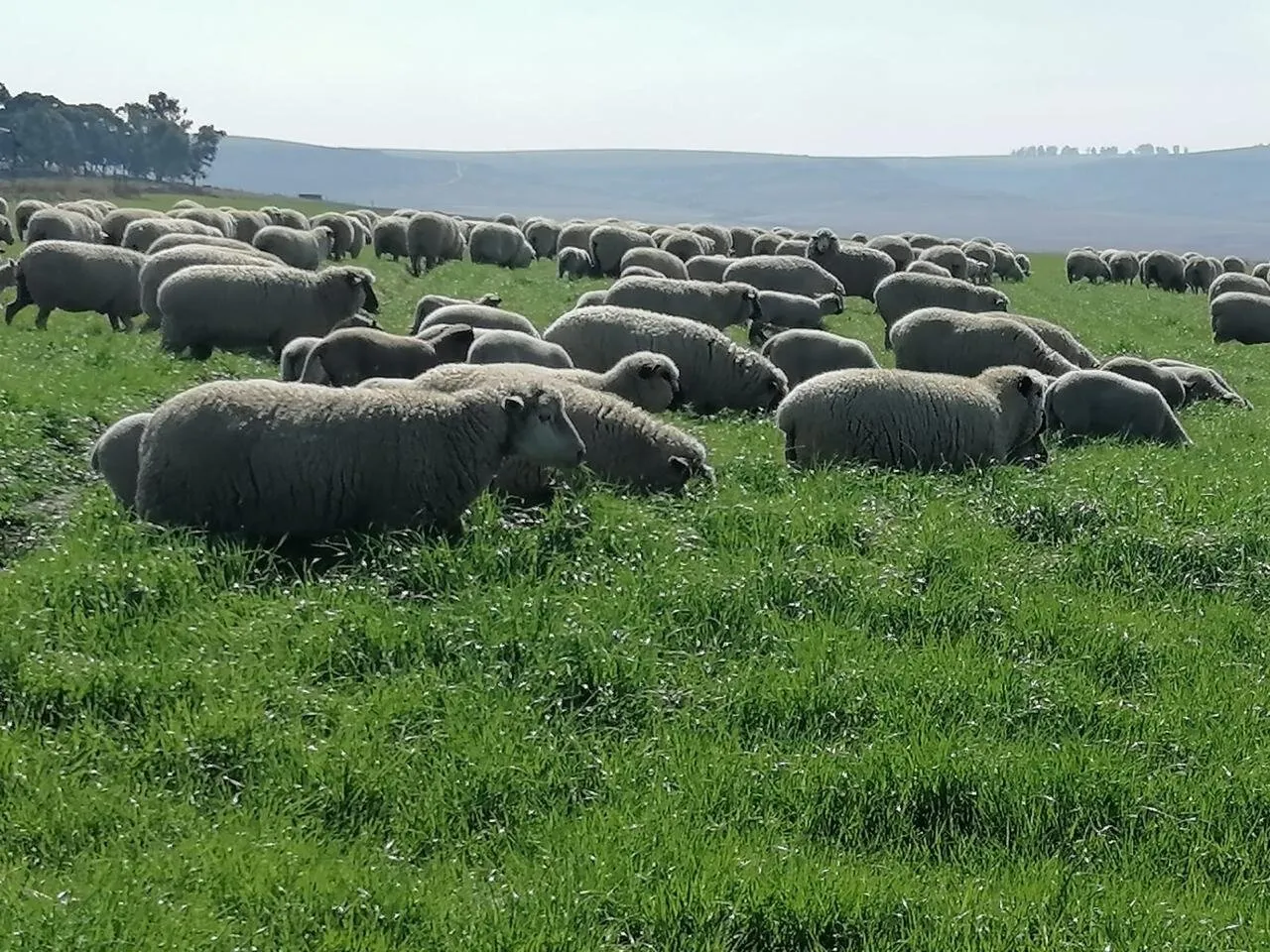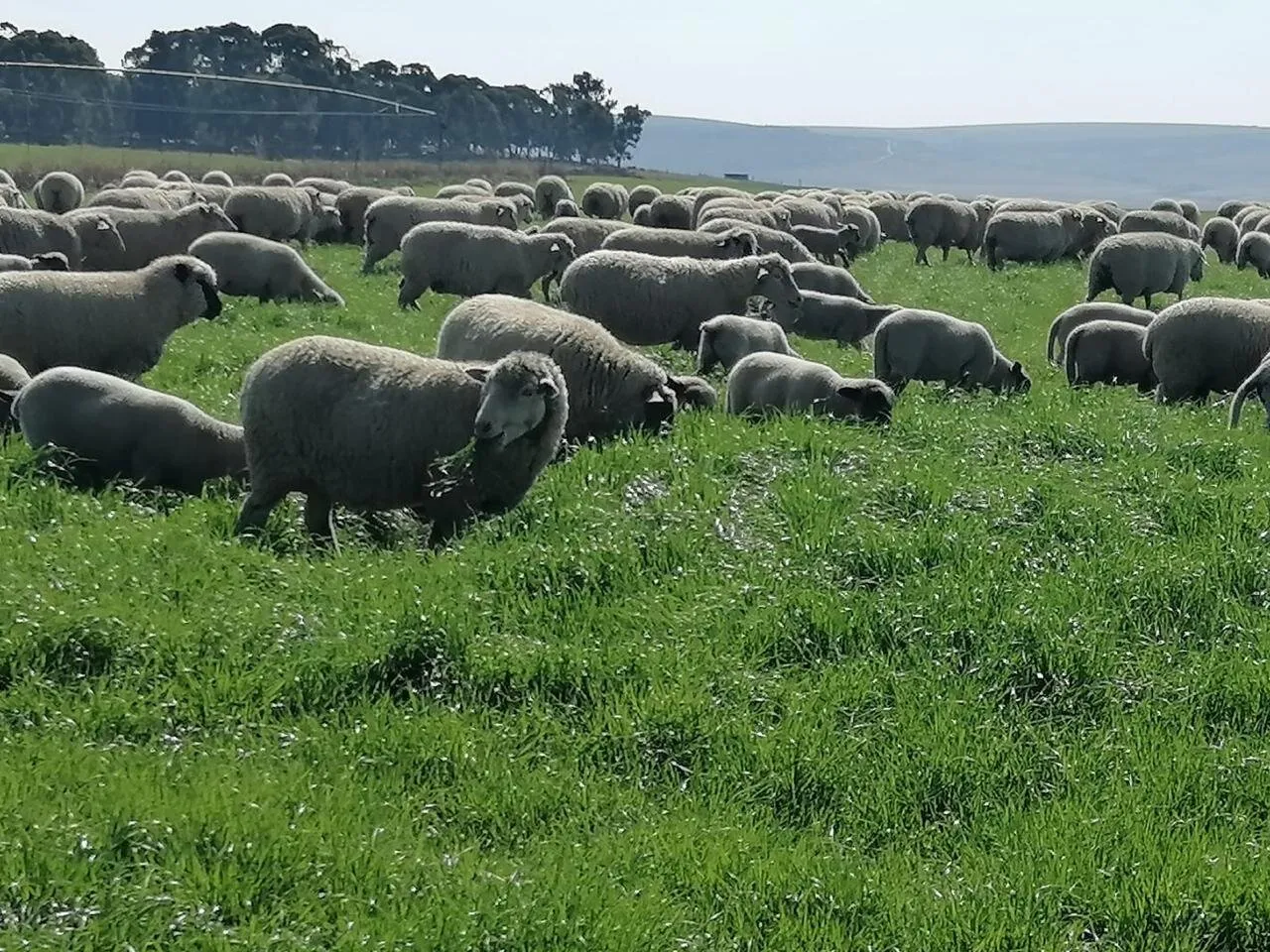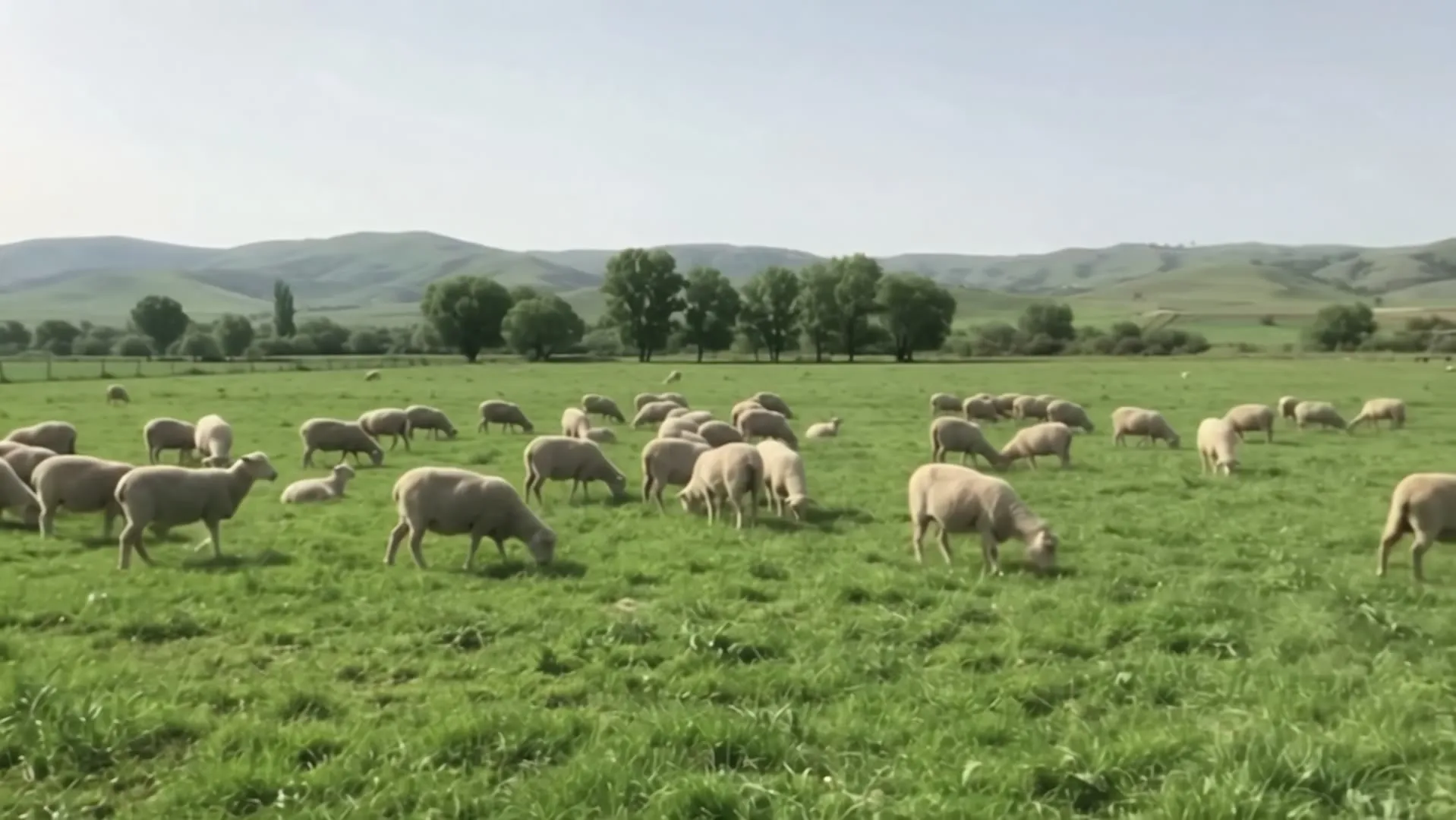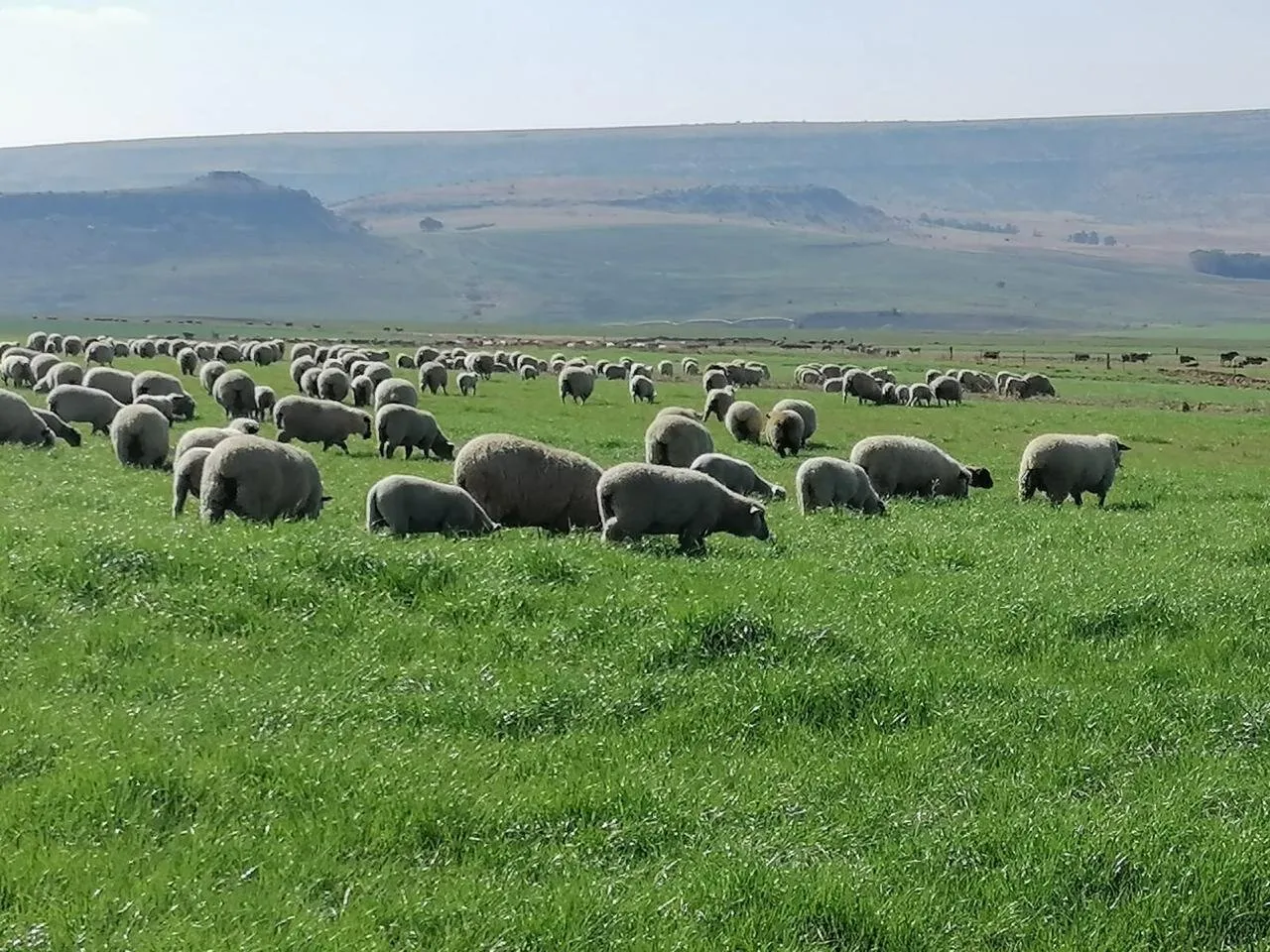
This is one of my favourite moments on our farm at Verkykerskop: watching the sheep move onto fresh pasture.
I am Petrus van Eeden. Every lamb we sell is born and raised here on our farm. It feels as though it has taken a lifetime to produce something we are this proud of. All these years, the secret was lying beneath our feet, in the soil.
We started farming regeneratively during Covid, around seven seasons ago. Looking back, lockdown slowed everything down. It gave us time to appreciate each day of being alive and healthy, and time to think about the way we farmed.
An absolute T-junction
Once I understood what I believed we had got wrong in conventional agriculture, our journey came to an absolute T-junction. I realised that by harvesting our crops and carting them to buyers, we were taking nutrients from the soil. At the same time, we were using pesticides and fungicides to protect the cash crops we produced.
Those chemicals kill the visible pests eating the crops. I became concerned about what they were also doing to the soil organisms we seldom see: the ones that come out at night and work beneath our feet.
The cycle
The wonderful soils of the world were built through a simple cycle. Soil produces forage. Animals harvest that forage and turn it into manure. Soil organisms work the manure back into the ground. As those organisms flourish, the soil produces more forage for the animals. The animals produce more manure, and the cycle begins again.
I wanted to restore that cycle on our farm. I was convinced that if we let our animals harvest the crops and return the nutrients to the land, the soil would recover. What I did not expect was the change we would see in the animals themselves.
The sheep and cattle grazing our pastures have become vibrantly healthy. We have seen average daily gains at the upper end of the range we were used to. We began this journey to restore our crop yields, but never in my wildest dreams did I expect to see this level of health in our livestock.
"If a nutrient is not available in the soil, it will not be in your food."
Against conventional advice
Making the change was extreme, and financially it was difficult. Against conventional advice, I decided to stop spraying pesticides and fungicides on our crops. I sold our harvester and the equipment we needed to harvest crops conventionally, and invested that money in more livestock. I believed that having the animals harvest the crops, and returning their manure to the soil, was the shortest route to recovery.
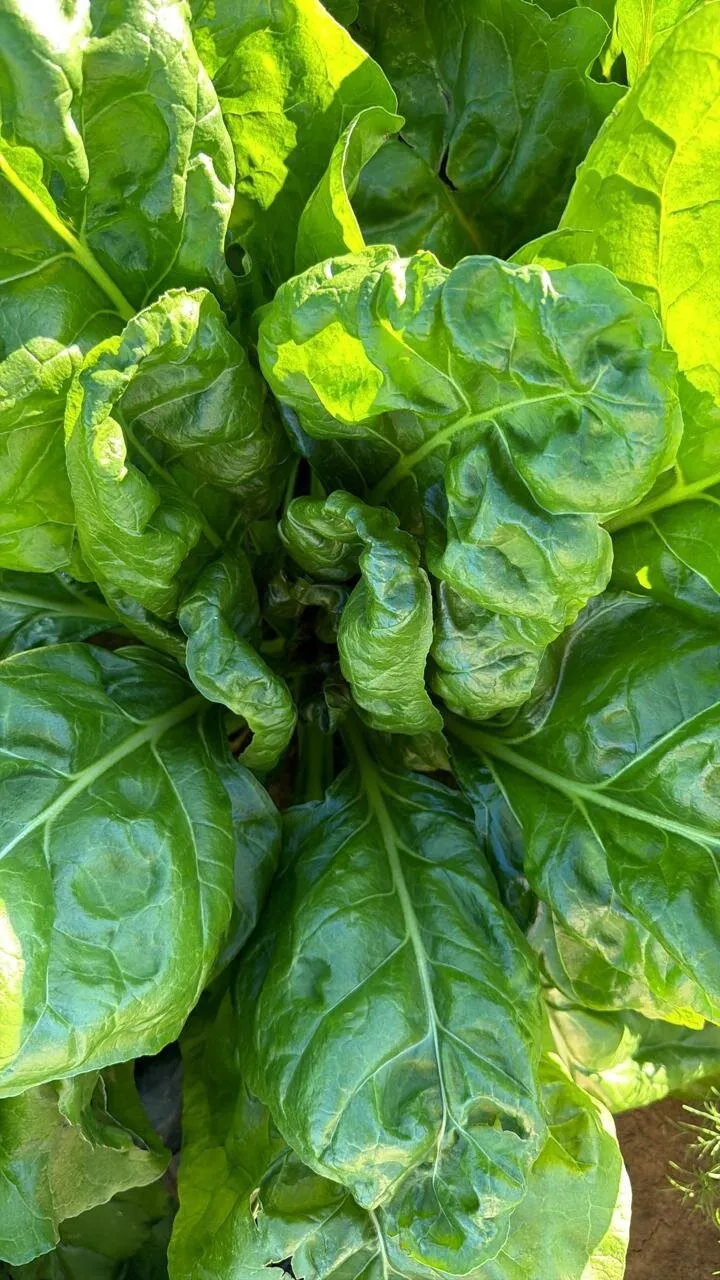
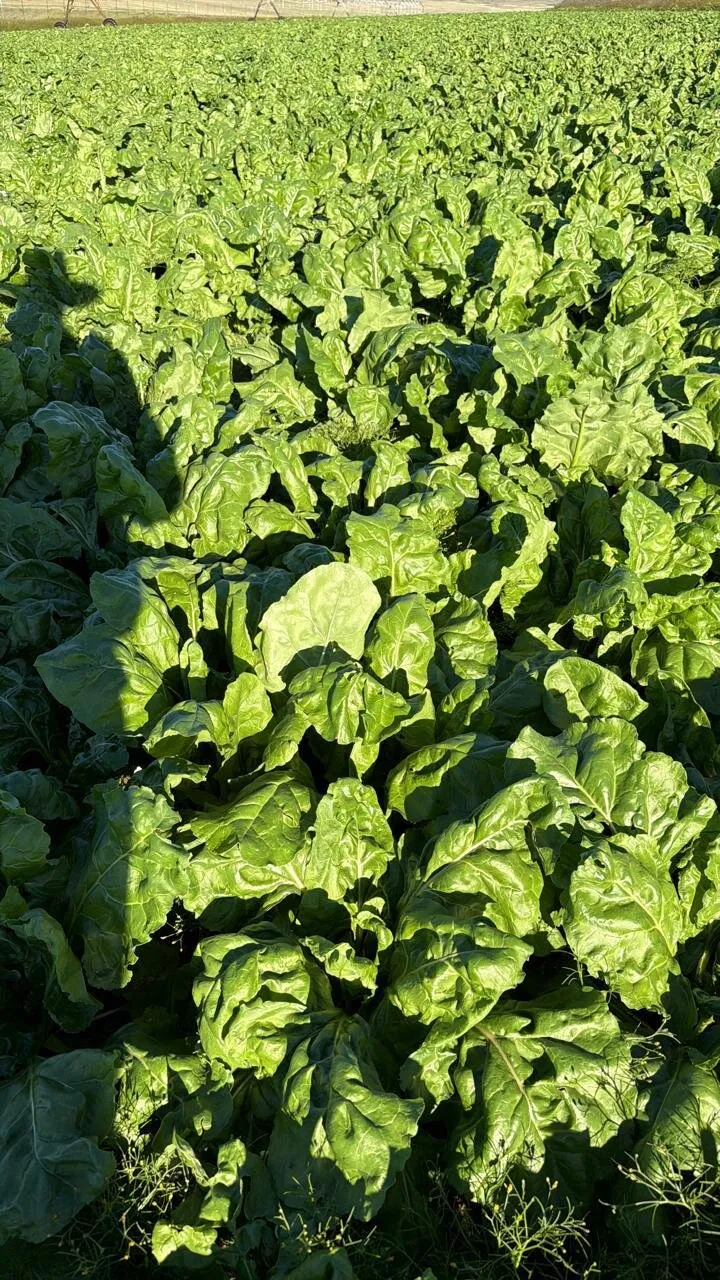
Learning to harvest crops effectively with cattle and sheep was a steep learning curve. We started with maize and sorghum for the bulk of our forage, alongside winter crops such as oats, ryegrass, kale, chicory and peas.
Year four
Our yields dropped sharply in the first few years. There was just enough to keep us from giving up. Year four was the worst: the improvement was modest, the future was uncertain, and the criticism was hard to bear.
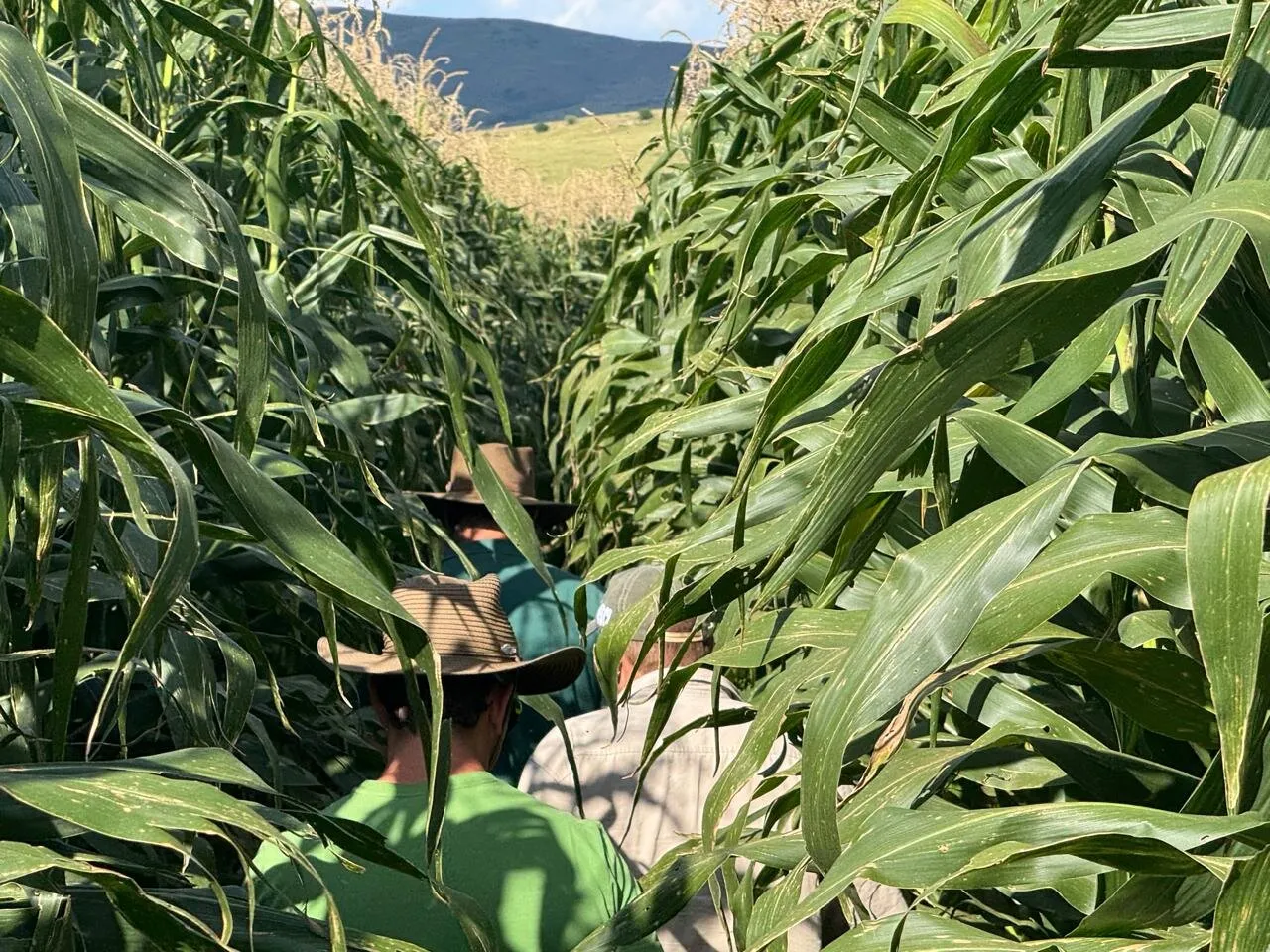
I am grateful that we persisted. Between years four and five, our yields doubled. Our fertiliser use fell from 20 kg to 7 kg per ton of dry matter produced. Our maize grew so tall and lush that it shaded out the cover crops we had planted beneath it. Even though we grazed it rather than harvesting it conventionally, it was by far the best maize crop I have ever produced on our farm. It was magnificent.
As our better soils recovered, we were able to move from grain crops towards fodder crops. I have found fodder crops easier to graze efficiently, although they struggled to yield well when our soils were depleted.
The cycle, working
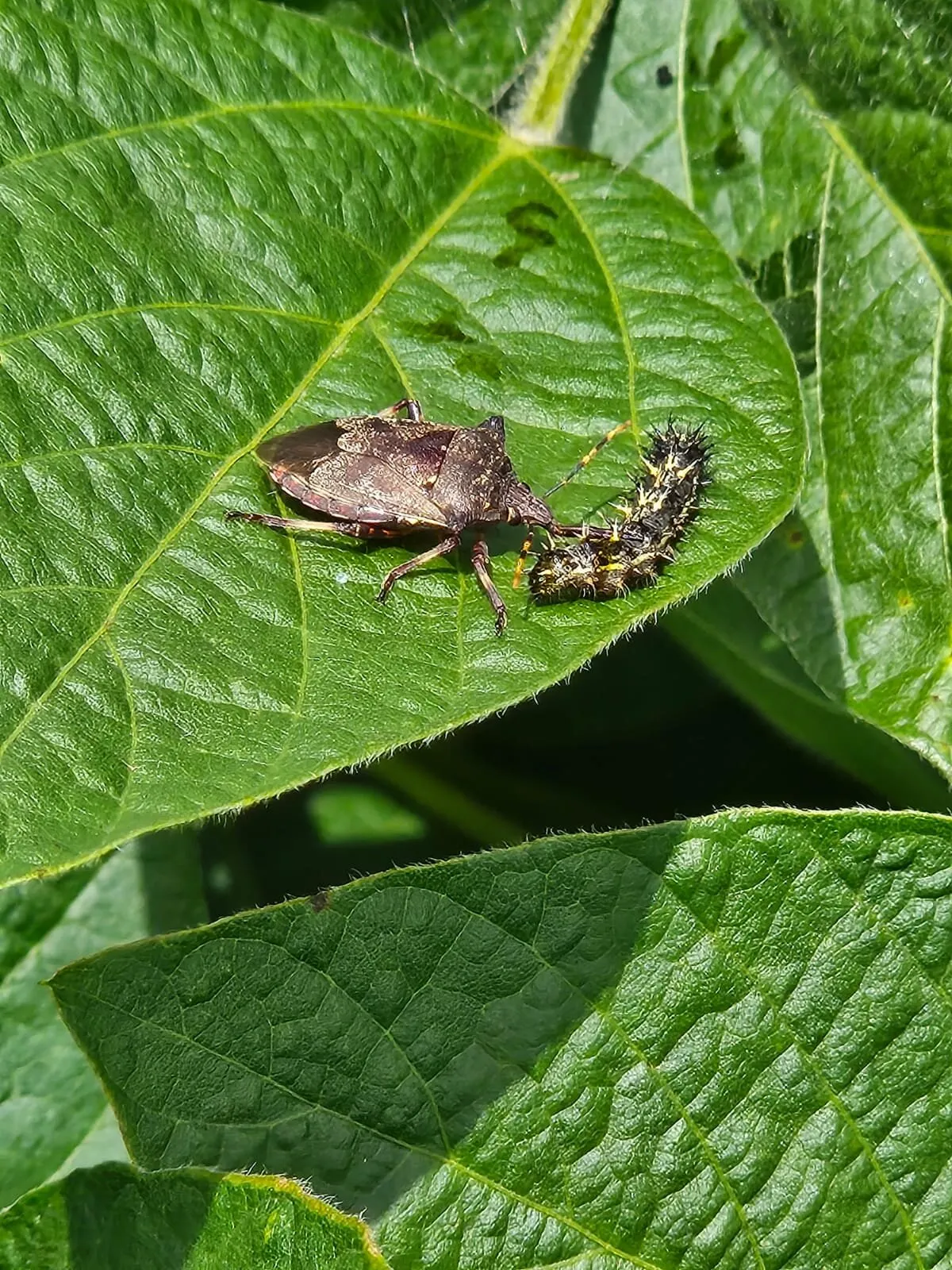
Today, I can see the cycle working around me. We grow palatable, high-yielding forage crops without spraying pesticides or fungicides. I have a beautiful photograph of a buffalo beetle eating a cutworm. Birdlife has flourished. In the evenings, wild ducks and geese forage across our fields.
I can see a difference in the way the soil takes up water, too. Little bubbles rise through the earthworm tunnels as the water seeps in. Our irrigation bill has fallen while our yields have risen.
These are the changes I have watched happen on our farm. They have changed the way I think about soil, forage, livestock and food. Knowing where our food comes from now matters deeply to me.
Where your lamb comes from
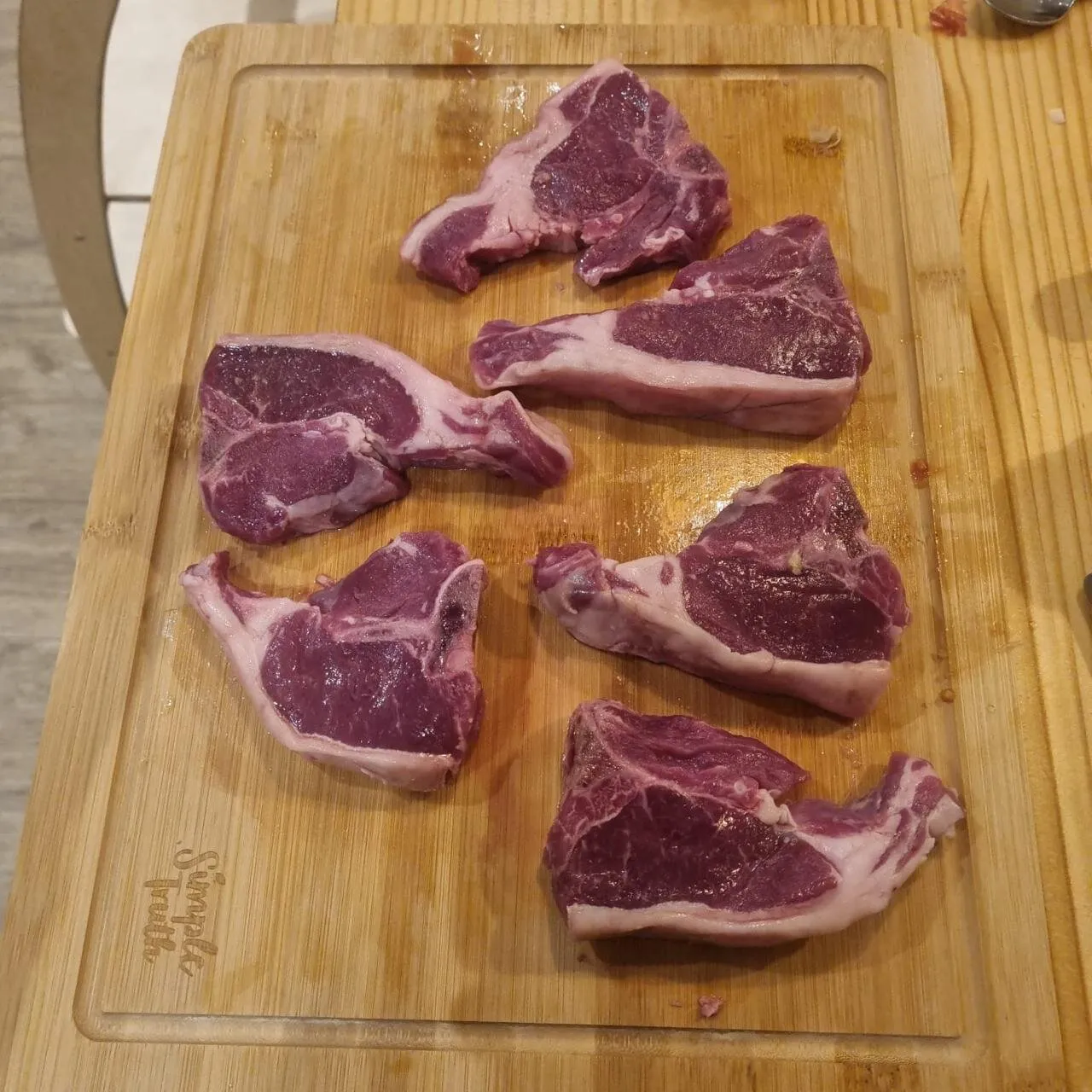
That is why I want you to know where our lamb comes from. Every lamb is born and raised here at Verkykerskop. After slaughter, we dry-age the whole lamb for seven days in a climate-controlled cool room. Then we cut and trim the meat, removing excess bone so that the cuts are ready for your oven. The pieces that do not make a neat cut go into our wholesome breakfast sausage.
We use natural spices, with no added water, bulking agents, colourants, flavour enhancers or preservatives. Each cut is vacuum-packed individually, wrapped in brown butcher paper and blast-frozen.
Dry-ageing, trimming and removing excess bone reduce the original carcass weight by around 20%. What arrives at your home is a ten-kilogram case of prepared lamb, ready for your family to enjoy.
I am immensely proud of what our soil and our animals now produce. I hope you will taste the care that has gone into it.
From our farm at Verkykerskop to your table.
 Petrus van Eeden